.png)
How to Secure a Competitive LTL Shipping Quotes
- Logistics Road
- Jun 1
- 4 min read

Securing a competitive LTL shipping quote is a critical step for businesses managing less-than-truckload freight. Whether you are a manufacturer, distributor, or freight broker, understanding how to navigate the complexities of LTL freight pricing can save you significant costs and improve your supply chain efficiency. In this post, I will share practical insights and strategies to help you obtain the best possible LTL shipping quotes with confidence and clarity.
Understanding the Basics of LTL Shipping Quotes
LTL (Less-Than-Truckload) shipping involves transporting freight that does not require a full truckload. Instead, multiple shipments from different customers share space on the same truck. This shared model makes pricing more complex than full truckload shipping because rates depend on several variables.
Key factors influencing LTL shipping quotes include:
Freight Class: Determined by density, stowability, handling, and liability. Freight classes range from 50 to 500, with higher classes costing more.
Weight: Heavier shipments generally have lower per-pound rates but higher total costs.
Distance: Longer distances increase the cost due to fuel and labor.
Accessorial Services: Additional services like liftgate, inside delivery, or residential pickup add to the quote.
Carrier Capacity and Demand: Market conditions and carrier availability can affect pricing.
Understanding these elements helps you evaluate quotes critically and avoid surprises.

How to Evaluate and Compare LTL Shipping Quotes
When you receive multiple LTL shipping quotes, it’s essential to compare them beyond just the bottom line. Here’s how to approach it:
Check the Freight Class and Weight Assumptions
Ensure the carrier used the correct freight class and weight. Misclassification can lead to unexpected charges later.
Review Accessorial Charges
Some quotes may appear low but exclude necessary accessorial services. Confirm what is included and what will be extra.
Understand Transit Times and Service Levels
Faster transit times often come at a premium. Balance your delivery requirements with cost.
Look for Fuel Surcharges and Other Variable Fees
Fuel costs fluctuate and can impact your final bill. Ask carriers how they calculate these fees.
Assess Carrier Reliability and Technology
A low quote is only valuable if the carrier delivers on time and provides shipment visibility.
By applying these criteria, you can make an informed decision that aligns with your operational needs.
Tips to Secure the Most Competitive LTL Shipping Quotes
Securing competitive LTL shipping quotes requires a proactive and strategic approach. Here are actionable recommendations:
Consolidate Shipments When Possible
Combining multiple smaller shipments into one can reduce costs and simplify logistics.
Provide Accurate and Complete Information
Detailed shipment data, including dimensions, weight, and special handling needs, ensures accurate quotes.
Leverage Technology and Online Tools
Use freight management platforms that aggregate quotes from multiple carriers to compare rates quickly.
Negotiate Based on Volume and Frequency
If you ship regularly, negotiate contracts or volume discounts with carriers.
Plan Ahead to Avoid Expedited Shipping
Last-minute shipments often incur higher rates. Scheduling in advance can secure better pricing.
Understand Market Trends
Freight capacity tightness and fuel prices fluctuate seasonally. Timing your shipments can impact costs.
Implementing these strategies will help you consistently obtain competitive quotes and optimize your freight spend.
The Role of Transparency and Communication in Freight Pricing
Transparency is a cornerstone of securing competitive LTL shipping quotes. Clear communication with your carrier or logistics partner ensures that all parties understand the shipment requirements and pricing structure.
Request Detailed Quotes
Ask carriers to break down costs by line item. This clarity helps identify potential savings.
Clarify Terms and Conditions
Understand payment terms, liability coverage, and claims processes upfront.
Maintain Open Dialogue
Regular communication helps address issues quickly and fosters a partnership approach.
Use Real-Time Tracking and Reporting
Visibility into your shipment status reduces uncertainty and improves planning.
By prioritizing transparency, you reduce the risk of hidden fees and improve your overall freight management.
Leveraging Technology to Streamline LTL Freight Quotes
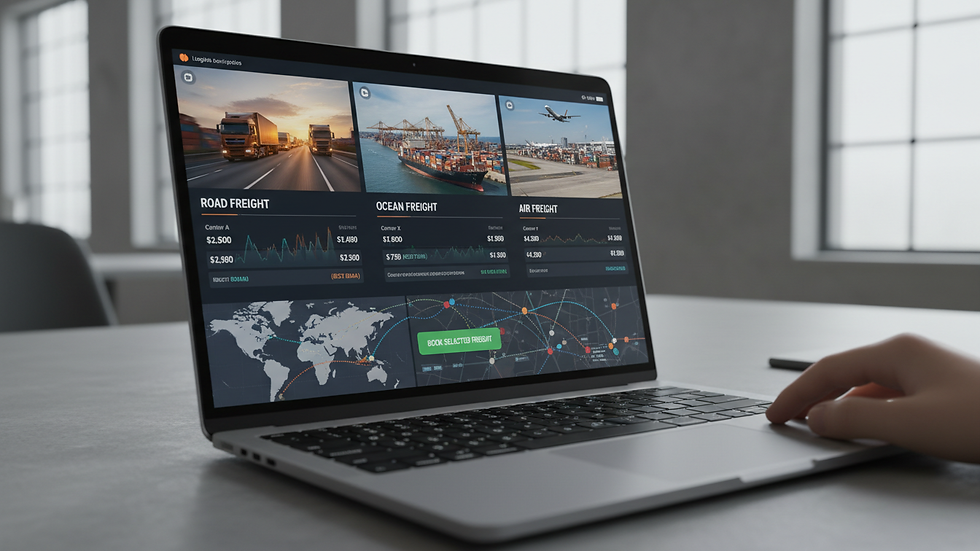
Technology is transforming how businesses secure and manage LTL shipping quotes. Modern freight platforms offer:
Instant Quote Generation
Automated systems provide real-time pricing based on current market conditions.
Carrier Network Access
Access to multiple carriers in one place increases competition and choice.
Shipment Optimization Tools
Software can suggest the best routing, consolidation, and service levels.
Data Analytics
Analyze historical shipping data to negotiate better rates and improve forecasting.
Adopting these tools enhances speed, accuracy, and cost-efficiency in your freight operations.
If you want to streamline your process and ensure you are getting the best deal, consider using platforms where you can get a quote for ltl freight quickly and transparently.
Building Long-Term Partnerships for Better Freight Pricing
Competitive LTL shipping quotes are not just about one-time savings. Building long-term relationships with carriers and logistics providers can lead to:
Preferred Pricing and Volume Discounts
Loyalty often translates into better rates and priority service.
Customized Solutions
Partners understand your business and tailor services accordingly.
Improved Capacity Access
Reliable partners help secure space during peak seasons.
Collaborative Problem Solving
Long-term relationships foster trust and proactive issue resolution.
Focus on finding partners who align with your goals for reliability, speed, and transparency.
Securing competitive LTL shipping quotes is a multifaceted process that requires knowledge, preparation, and strategic use of technology. By understanding pricing factors, evaluating quotes carefully, and fostering transparent partnerships, you can optimize your freight spend and improve your supply chain performance. Use these insights to move your freight smarter, faster, and with full visibility.


Comments