.png)
FTL and LTL Shipping Differences: Which Shipping Option is Right for You?
- Logistics Road
- Jun 1
- 4 min read

When it comes to moving freight efficiently across North America, understanding the difference between Full Truckload (FTL) and Less Than Truckload (LTL) shipping is essential. Choosing the right shipping method impacts cost, speed, reliability, and overall supply chain performance. In this post, I will break down the key differences between FTL and LTL shipping, explain when each option makes sense, and provide actionable insights to help you make informed logistics decisions.
Understanding FTL and LTL Shipping Differences
FTL and LTL are two primary freight shipping options, each designed to meet different shipment sizes and business needs.
Full Truckload (FTL) means your shipment occupies the entire truck. This option is ideal for large shipments that fill a truck or require exclusive use of the vehicle.
Less Than Truckload (LTL) means your shipment shares truck space with other shippers’ freight. This option suits smaller shipments that do not require a full trailer.
Key Differences at a Glance
| Aspect | FTL Shipping | LTL Shipping |
|----------------------|-------------------------------------|-------------------------------------|
| Shipment Size | Large shipments (usually 15,000+ lbs) | Smaller shipments (generally under 15,000 lbs) |
| Transit Time | Faster, direct route | Slower, multiple stops and transfers |
| Cost Structure | Flat rate for entire truck | Priced by weight, dimensions, and distance |
| Handling | Minimal handling, direct delivery | Multiple handling points, risk of damage |
| Freight Visibility | High, with direct tracking | Moderate, depends on carrier systems |
FTL is the go-to for shipments that require speed, minimal handling, and direct routes. LTL is cost-effective for smaller loads but involves more complex logistics and longer transit times.

When to Choose FTL or LTL Shipping
Choosing between FTL and LTL depends on several factors including shipment size, budget, delivery speed, and freight characteristics.
When FTL Makes Sense
Large Shipments: If your freight fills a full trailer or is close to it, FTL is more efficient.
Time-Sensitive Freight: FTL offers faster transit since the truck goes directly to the destination without stops.
Fragile or High-Value Goods: Less handling reduces damage risk.
Simplified Logistics: One point of contact and fewer touchpoints streamline execution.
When LTL is the Better Option
Smaller Shipments: If your freight is less than a truckload, LTL saves money by sharing space.
Budget Constraints: LTL is generally cheaper for small loads.
Less Urgent Deliveries: If speed is not critical, LTL’s longer transit times are acceptable.
Frequent Shipments: LTL allows shipping smaller quantities more often, improving inventory management.
Understanding these scenarios helps you align your shipping strategy with operational goals.
What are the three types of shipping?
Shipping methods can be broadly categorized into three types, each serving different freight needs:
Full Truckload (FTL): Entire truck dedicated to one shipment. Best for large, heavy, or time-sensitive freight.
Less Than Truckload (LTL): Multiple shipments combined in one truck. Ideal for smaller, less urgent freight.
Parcel Shipping: Small packages typically under 150 lbs, handled by parcel carriers like UPS or FedEx. Used for retail and e-commerce shipments.
Each type has unique cost structures, transit times, and handling processes. Selecting the right type depends on shipment size, urgency, and budget.
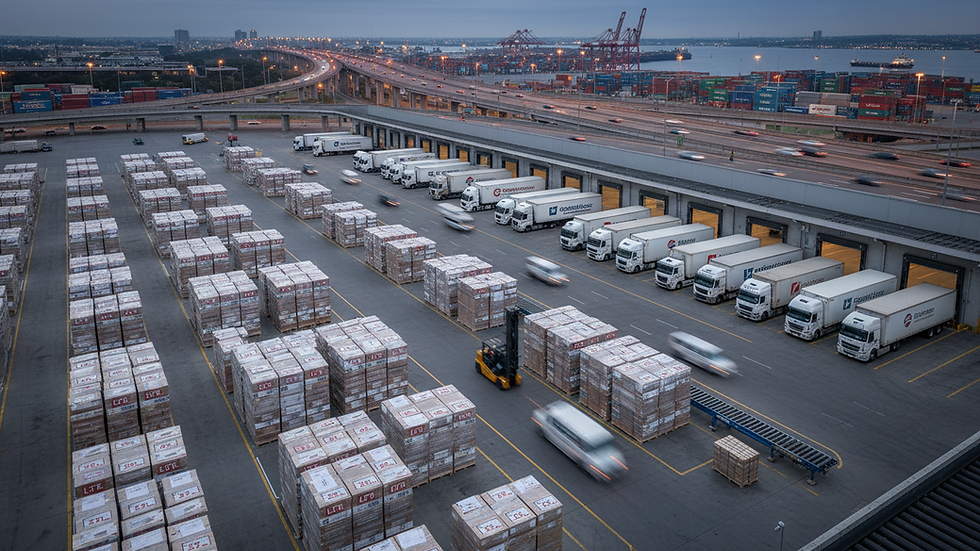
Cost Considerations: FTL vs LTL
Cost is often the deciding factor between FTL and LTL. Here’s how to evaluate expenses:
FTL Cost Factors
Flat Rate: You pay for the entire truck regardless of whether it’s fully loaded.
Fuel Surcharges: Variable based on current fuel prices.
Accessorial Charges: Fees for special services like liftgate, inside delivery, or detention time.
LTL Cost Factors
Weight and Dimensions: Pricing is based on freight class, weight, and size.
Distance: Longer routes increase cost.
Handling Fees: Additional charges for special handling or residential delivery.
Freight Class: Determines liability and pricing based on density, value, and ease of handling.
Practical Example
If you have a 10,000 lbs shipment, LTL is usually more cost-effective. But if your shipment is 20,000 lbs, FTL will likely be cheaper and faster.
How to Optimize Your Shipping Strategy
To maximize efficiency and reduce costs, consider these best practices:
Consolidate Shipments: Combine smaller loads to qualify for FTL rates.
Leverage Technology: Use freight management systems for real-time tracking and analytics.
Negotiate Contracts: Build relationships with carriers for better rates and service.
Plan Ahead: Schedule shipments to avoid peak demand surcharges.
Understand Freight Class: Properly classify your freight to avoid unexpected fees.
By applying these strategies, you can improve reliability, reduce transit times, and control shipping expenses.
Final Thoughts on Choosing Between FTL and LTL
Selecting the right shipping option is critical for supply chain success. FTL offers speed, reliability, and simplicity for large or time-sensitive shipments. LTL provides cost savings and flexibility for smaller loads but requires more coordination.
For businesses moving freight across the U.S. and Canada, understanding these differences and applying the right solution ensures shipments arrive on time, intact, and within budget. If you want to dive deeper into the nuances, check out this detailed ftl vs ltl shipping explained resource.
Making informed decisions about FTL and LTL shipping will help you move freight smarter, faster, and with full visibility—key to building a resilient and efficient logistics operation.


Comments